
What is Waterproofing? | A Raincoat for your Home
Water infiltration into a home / building causes major problems to the structure. Water damages a building first cosmetically then structurally, results in building failure and most importantly the health of the residents. It is important to realize that by the time a stain shows up on the interior of your wall most likely irreversible damage is already caused to the exterior.
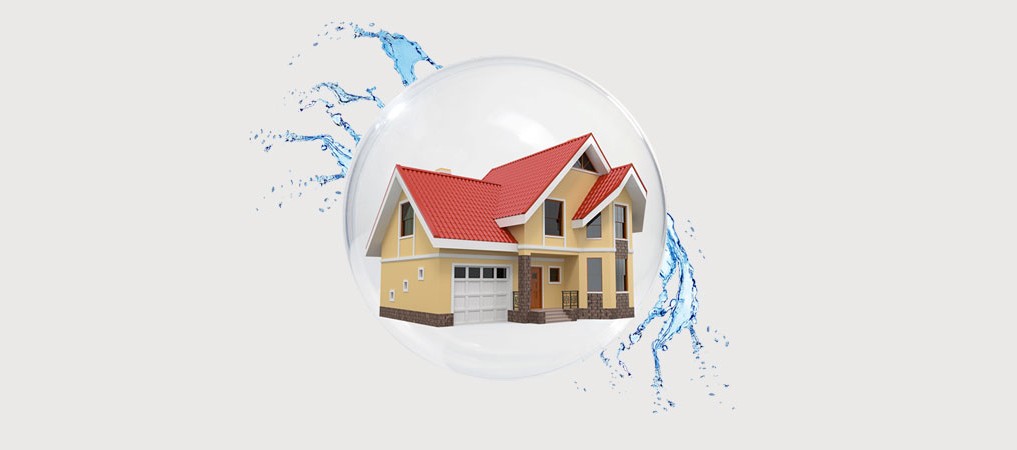
Before we get into the technicalities, allow us to explain you one simple thing. We wear a raincoat to protect ourselves from rain or water from wetting or drenching us, right? Waterproofing is the raincoat for a house.
Waterproofing is a system which prevents water (damp / water leakage / seepage / moisture) from penetrating into your house. As a raincoat keeps us dry, waterproofing / damp proofing is very important to keep our homes dry. It helps to reduce humidity inside the house and thereby protects things inside your house from damage caused due to humidity or water exposure. Waterproofing preserves the strength and the durability of concrete surfaces in a building.
Why is Waterproofing / Damp proof course (DPC) necessary?
Waterproofing increases your home’s value. It is one of the most critical, yet neglected concerns. Most of the time it is considered an inconvenience rather than a serious matter. Avoiding it will increase the problem & leave your wall damped.
- Protects the Interiors from Water Damage
The inner part of your home is usually exposed to many unpredictable weather elements like sun rays and rains. This includes walls, floors, ceilings, etc. How much ever you try to get your walls sealed by using steel, concrete, etc., during the construction, they do crack and get rusted.Water leakage / seepage or more categorically moisture intrusion in buildings results into damp, uncomfortable internal environments; deterioration of internal finishes (including mould growth); unsightly damp areas on wall and ceiling surfaces and increased concentrations of harmful pollutants affecting occupant’s health. The exclusion of moisture from buildings is therefore not only desirable, but an utmost concern to the residents of the buildings.
Waterproofing or damp proofing in buildings makes the structure water-resistant and helps in formation of a solid barrier over surfaces of foundations, roofs, walls and other structural members of building to prevent water penetrations through these surfaces. It helps in reducing the humidity inside the building, minimizing the damage done to structure, furniture, human health and alike.
- Prevents Onset of Health Problems
Damp is a Silent Killer. Moisture and Humidity are the uninvited as well as unwanted guests which cause significant damage to your home and the ones living in it. When moisture finds its way to enter your walls and ceilings, it leads to the growth of mold and mildew. This creates spores, which leads to many health problems. Spores get projected into the air, and when you breathe in, they will straight away travel to your lungs that can cause health problems. Common health hazards include Upper respiratory (nasal and throat) symptoms, Asthma symptoms in sensitized persons with Asthma, Cough, Wheeze, Allergies, Skin Diseases, etc. It is always preferable to have waterproofing done to your home at the right time (usually at the time of construction / renovation / interior design), to keep you and your family away from such unexpected health problems.
- Saves Your Money
Waterproofing your home might seem like a daunting task & a blow to your budget. But, prevention is always better than cure. It is best to think of it as a long term investment that will reap benefits in the building’s lifetime.
